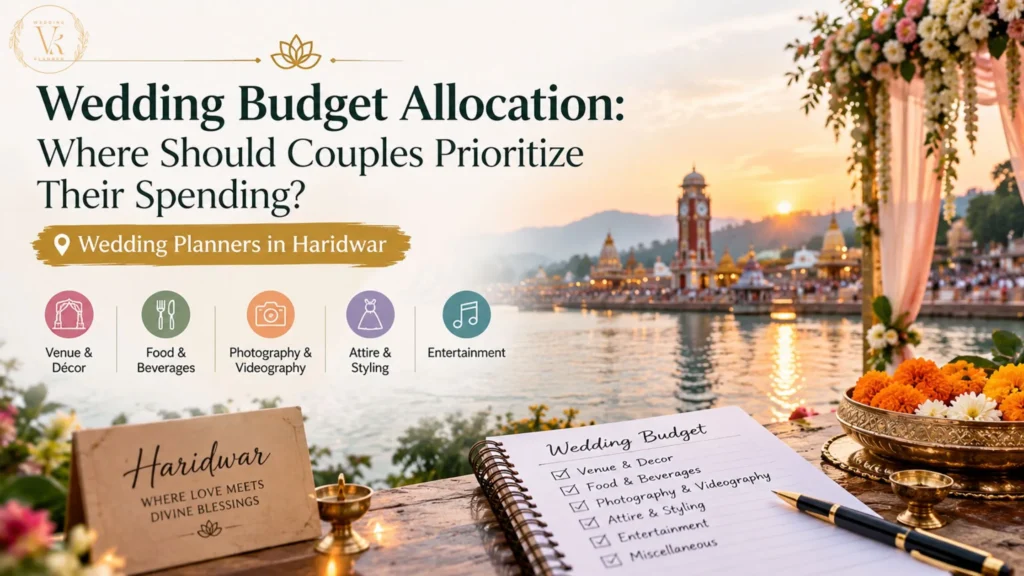
A wedding budget can look manageable at the beginning, but expenses can quickly increase once venue bookings, food, accommodation, photography and other services are added. Couples do not necessarily need to spend equally on every part of the celebration. Effective wedding budget allocation is about deciding which areas deserve more attention and where spending can be controlled.
Start With the Amount You Can Comfortably Spend
Before discussing individual services, couples should decide their overall financial limit. This amount should be realistic rather than based on what other weddings appear to cost.
Once the maximum budget is clear, it becomes easier to divide the money between major requirements. Keeping a small reserve for unexpected expenses is also useful because last-minute changes can affect the final cost.
Give the Venue a Budget That Matches the Guest List
The venue often becomes one of the largest wedding expenses. Its cost can depend on location, number of guests, accommodation, event duration and facilities included in the package.
A large venue may not be necessary for a smaller gathering. Similarly, choosing a space that is too small simply to save money can create comfort and coordination problems.
The right choice should balance guest requirements with the available budget.
Food Should Reflect the Actual Guest Experience
Food is one area where guests usually notice the quality directly. However, a larger menu does not automatically mean a better dining experience.
Instead of adding numerous dishes, couples can focus on food quality, suitable variety and efficient service. Guest preferences, dietary requirements and the number of functions should also be considered while planning wedding expenses.
Decide What You Want to Remember Forever
Photography and videography deserve careful consideration because these services preserve the memories of the celebration.
Couples should decide what type of coverage they actually want before selecting a package. Full-day coverage, candid photography, traditional photography and video services can have different costs.
Rather than choosing a package only because it is expensive, compare the actual deliverables and decide what matters most to you.
Read more: Wedding Hospitality Planning: Small Details That Shape the Guest Experience
Guest Comfort Can Be a Worthwhile Priority
For weddings involving travelling guests, accommodation and transportation may require a significant portion of the budget.
Comfortable rooms, reliable transportation and clear guest communication can make a noticeable difference. These expenses should not be treated as unnecessary simply because they are not part of the main ceremony.
Good wedding spending priorities consider how guests experience the entire celebration.
Entertainment Should Match the Celebration
Entertainment can range from a DJ and traditional performers to live bands and special performances. Couples should select entertainment according to the type of wedding they are creating.
There is no need to book every possible entertainment option. One well-planned experience can often have more impact than several activities competing for attention.
Keep Décor Focused Rather Than Excessive
Décor can transform a venue, but adding more elements does not always create a better setting.
Couples can identify the areas that guests will actually notice, such as the ceremony stage, entrance, dining area or main photography locations. Concentrating the budget on these important spaces can provide a stronger visual result while keeping wedding cost management under control.
Keep Some Money Aside for Unexpected Needs
Even a detailed budget cannot predict every situation. Additional transportation, extra guest requirements, vendor changes or small emergency purchases can appear during the final stages.
Keeping a contingency amount separate from the main budget gives couples more flexibility. It also prevents one unexpected expense from affecting an important part of the celebration.
Review the Budget as Decisions Are Confirmed
A wedding budget should not be created once and then forgotten. Every confirmed vendor or booking should be added to the budget.
Regularly comparing planned spending with actual spending helps couples identify areas where costs are increasing. It also makes it easier to adjust less important expenses before the budget becomes difficult to manage.
Professional Planning Can Bring Better Financial Control
Managing multiple wedding expenses at the same time can become complicated, especially when different vendors have separate payment schedules and requirements.
Experienced Haridwar wedding planners can help couples organize priorities, coordinate vendors and keep major arrangements aligned with the available budget. Professional planning does not mean spending more everywhere. It can help couples make clearer decisions about where their money should go.
Conclusion
Effective wedding budget allocation is not about cutting every expense. It is about understanding which parts of the celebration matter most to the couple and guests, then distributing the available money accordingly.
A realistic budget should cover essential arrangements while leaving some flexibility for unexpected costs. Reviewing expenses regularly and prioritizing meaningful experiences can help couples enjoy their wedding without unnecessary financial pressure.
If you are finding it difficult to divide your wedding budget between venues, vendors, guests and celebrations, VK Wedding Planner can help organize the priorities and coordinate the arrangements according to your planned spending.